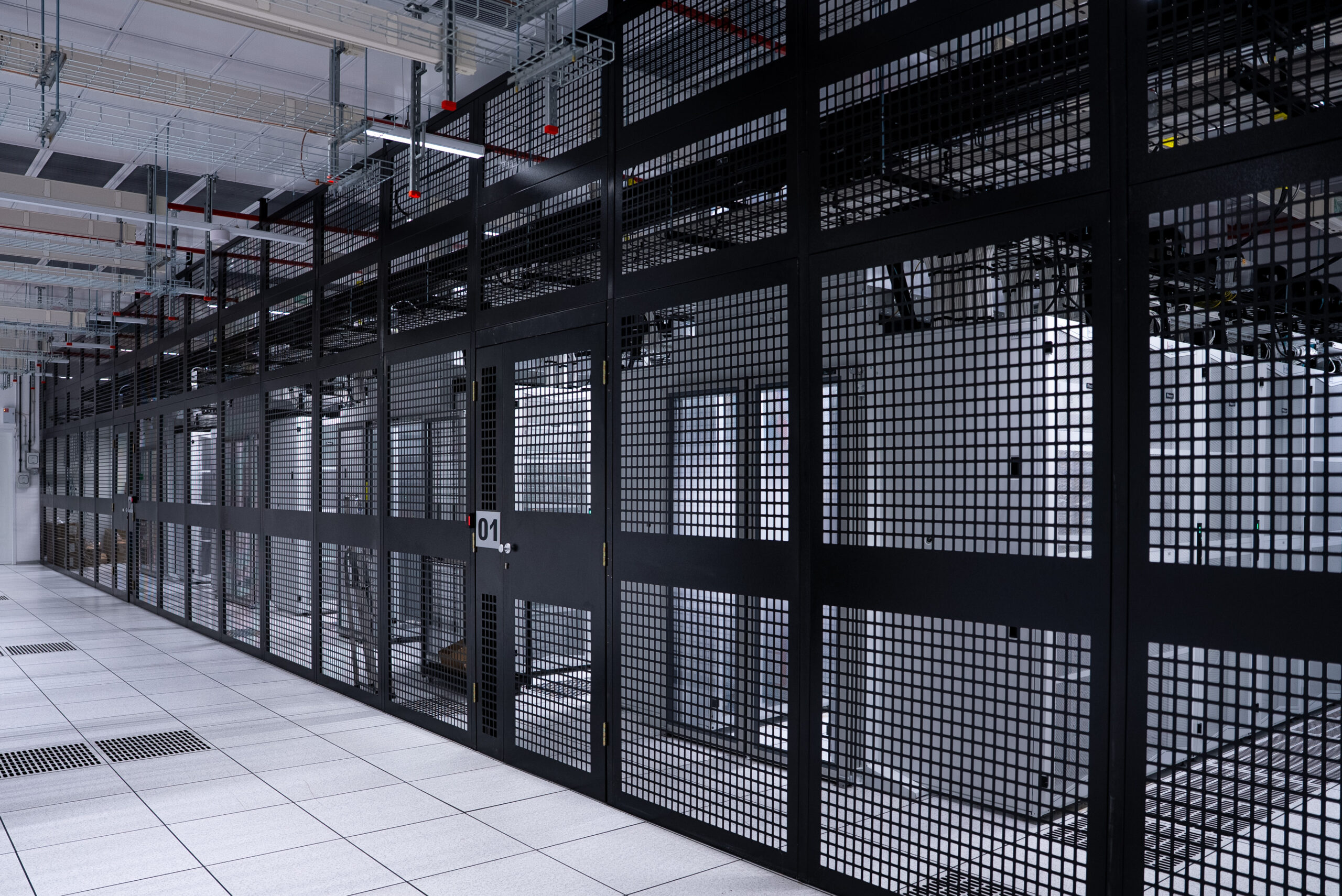
Physical protection, thermal stability and operational continuity, explained in practical terms.
“Underground data center” sounds like a marketing phrase. In practice, it describes a specific set of engineering decisions that affect security, reliability and business continuity. Here is what it means at SERVERZ.
Physical protection by design
The SERVERZ facility covers 12,500 sqm and sits below ground in central Israel. The structure has blast protection, so the building itself is part of the security model, not only the fences and cameras around it.
For organizations in regulated sectors such as finance, healthcare, government and critical infrastructure, this matters. Physical risk is part of every serious risk assessment, and an underground, protected structure reduces exposure to threats that above-ground buildings cannot fully address.
Thermal stability
Ground mass changes the thermal behavior of a building. Outside temperature swings affect underground spaces less, which supports more stable operating conditions for IT equipment.
Stable conditions matter more as rack densities rise. AI and GPU workloads generate significant heat, and a predictable environment makes cooling easier to manage and monitor.
Layered access control
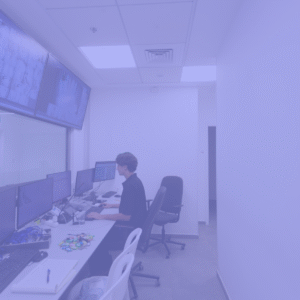
Being underground also shapes how people move through the site. SERVERZ uses layered, zoned access control, with biometric verification and continuous monitoring 24/7. We control every entry point and limit each person’s access to the areas their role requires.
Continuity when the grid fails
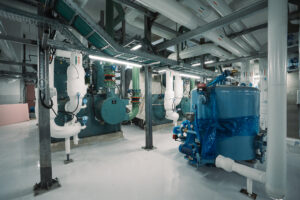
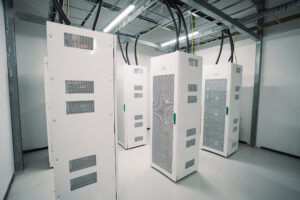
Protection is only useful if the facility keeps running. SERVERZ can run autonomously for up to 72 hours during a power or utility failure, with no external supply. Power, cooling and connectivity all have N+1 redundancy, and Uptime Institute has certified the facility as Tier III.
Together, these elements mean that critical systems can continue operating through extended disruptions, exactly when organizations need them most.
Underground, but well connected
A protected site still has to be accessible. SERVERZ is about 7 minutes from Highway 6 and roughly 30 minutes from both Tel Aviv and Ben Gurion Airport. On the network side, dual Meet-Me Rooms provide carrier-neutral access to Israeli providers, international fiber routes and submarine cable systems.
The bottom line
Underground infrastructure is not about image. It is about reducing physical risk, keeping environmental conditions stable and staying operational when external systems fail. For organizations that cannot afford downtime, these are practical advantages.
Want to see the facility for yourself? Contact SERVERZ to arrange a guided tour.