What Is Tier III Data Center Certification — and Why It Matters for Enterprise IT
When evaluating data center providers, the term “Tier III” appears frequently in marketing materials. But what does the certification actually mean in operational terms — and how should enterprise IT teams use it when making infrastructure decisions?
This article explains the Uptime Institute’s Tier classification system, what Tier III guarantees in practice, and why the distinction matters for organizations with high availability requirements.
The Uptime Institute Tier System
The Uptime Institute developed the Tier classification system to provide a standardized framework for evaluating data center infrastructure. There are four tiers, each building on the previous:
– Tier I: Basic capacity. Single path for power and cooling, no redundancy. Planned and unplanned maintenance requires full shutdown.
– Tier II: Redundant capacity components. Single distribution path, with some redundancy in power and cooling.
– Tier III: Concurrently maintainable. Multiple active power and cooling distribution paths. Planned maintenance can be performed on any component without affecting IT load.
– Tier IV: Fault tolerant. Multiple active distribution paths, full redundancy, and no single point of failure.
What Tier III Means Operationally
The defining characteristic of Tier III is concurrent maintainability — the ability to perform planned maintenance on any infrastructure component while the facility continues operating at full load.
This has direct implications for SLA commitments. A Tier III facility can replace a UPS, switch cooling units, or perform electrical maintenance without scheduling a maintenance window that affects clients. For organizations running mission-critical workloads, this removes a significant category of planned downtime risk.
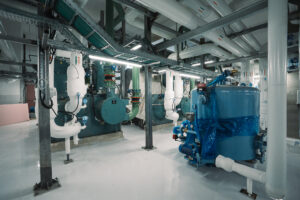
Tier III also requires N+1 redundancy across power and cooling systems. This means there is always at least one additional component available beyond what is needed to sustain full operations — ensuring that a single component failure does not cause an outage.
Tier III at Serverz
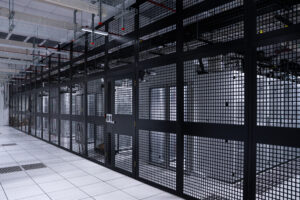
Serverz is certified to Tier III standards by the Uptime Institute. The facility operates with 16MW of total power capacity, with 10MW allocated to IT load, and 4,500 sqm of net IT whitespace configurable for various densities and deployment models.
The facility is managed by CBRE, a global leader in data center operations, which applies standardized procedures for maintenance, monitoring, and compliance. This operational layer ensures that the Tier III design specification is consistently executed in day-to-day practice.
Key Considerations When Evaluating Tier Certifications
When reviewing a provider’s Tier certification, it is worth verifying the following:
– Is the certification current and issued by the Uptime Institute directly, or self-declared?
– Does the certification cover the specific area of the facility where your infrastructure will be deployed?
– What is the operations model — self-managed or operated by a third party with defined standards?
– How does the facility handle concurrent maintainability in practice?
Conclusion
Tier III certification represents a meaningful operational standard, not just a marketing label. For organizations that cannot tolerate planned maintenance windows or single points of failure in their infrastructure stack, it defines the minimum viable facility specification.
Understanding what the certification requires — and verifying that a provider genuinely meets those requirements — is a core part of responsible infrastructure due diligence.